Against All Odds: The Ancient Greek Roots of America's Favorite Sports Story
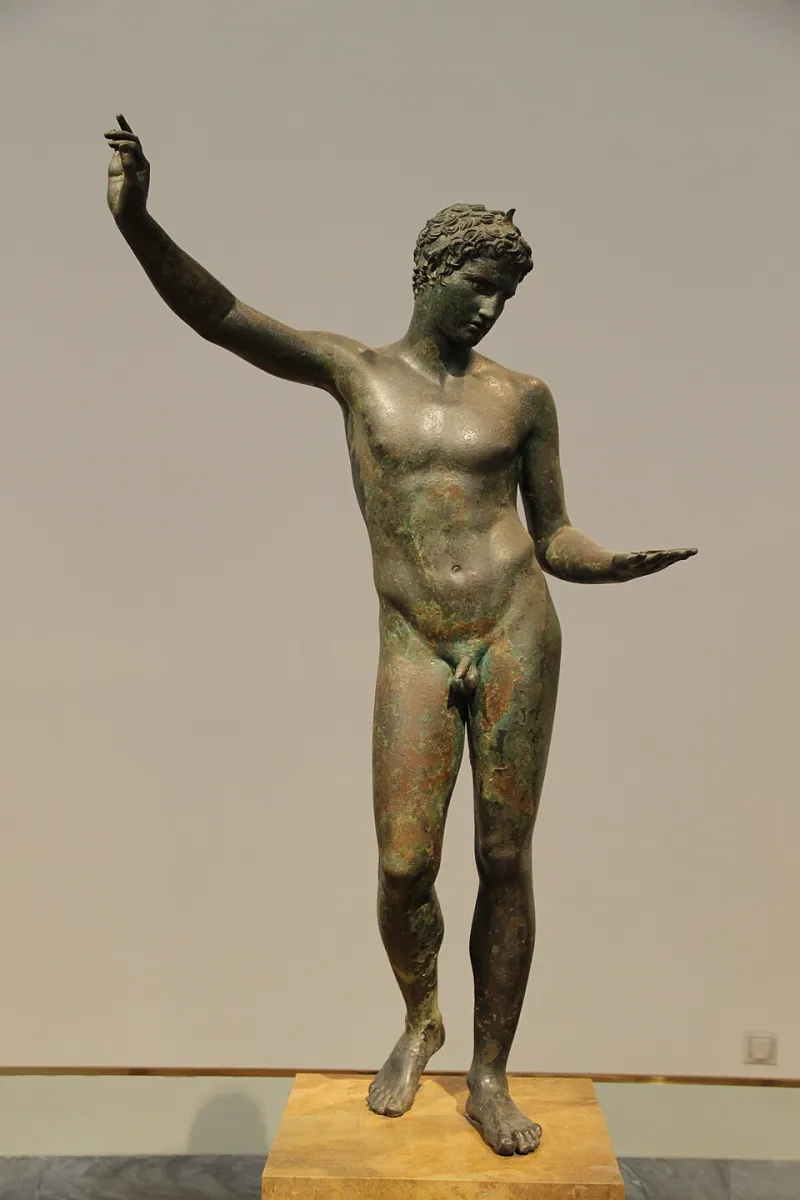
Photo: Gary Todd from Xinzheng, China, CC0, via Wikimedia Commons
Against All Odds: The Ancient Greek Roots of America's Favorite Sports Story
Every American sports fan knows the feeling. The crowd goes quiet. The underdog steps up. And somehow, against every reasonable expectation, they win. It's the moment that sells out stadiums, moves merchandise, and keeps people glued to their screens at midnight. But here's the thing — that story didn't start with Ali or Tiger or the '80 US hockey team. It started in a dusty Greek valley more than 2,700 years ago, where athletes who had lost everything showed up anyway and wrote the original comeback script.
The Stadium Before the Silver Screen
The ancient Olympic Games, first held in 776 BC at Olympia, were not just athletic contests. They were cultural events, religious ceremonies, and — crucially — storytelling opportunities. The Greeks didn't just want to see who was fastest or strongest. They wanted to understand why someone won. Context mattered enormously. A victory earned through hardship carried far more weight than one handed to a wealthy, well-fed aristocrat who'd trained his whole life in comfort.
This is why ancient historians and poets like Pindar didn't simply record results. They documented circumstances. Who had traveled the farthest? Who had suffered the most to get there? Who had been told they'd never compete again?
The answers to those questions were where the real story lived.
Milo's Shadow and the Men Who Stepped Into It
One of ancient Greece's most celebrated athletic dynasties belonged to Milo of Croton, a wrestler who dominated the Olympics for decades. But the figures who captured the popular imagination just as fiercely were often the ones who challenged him — or who rebuilt careers that seemed finished.
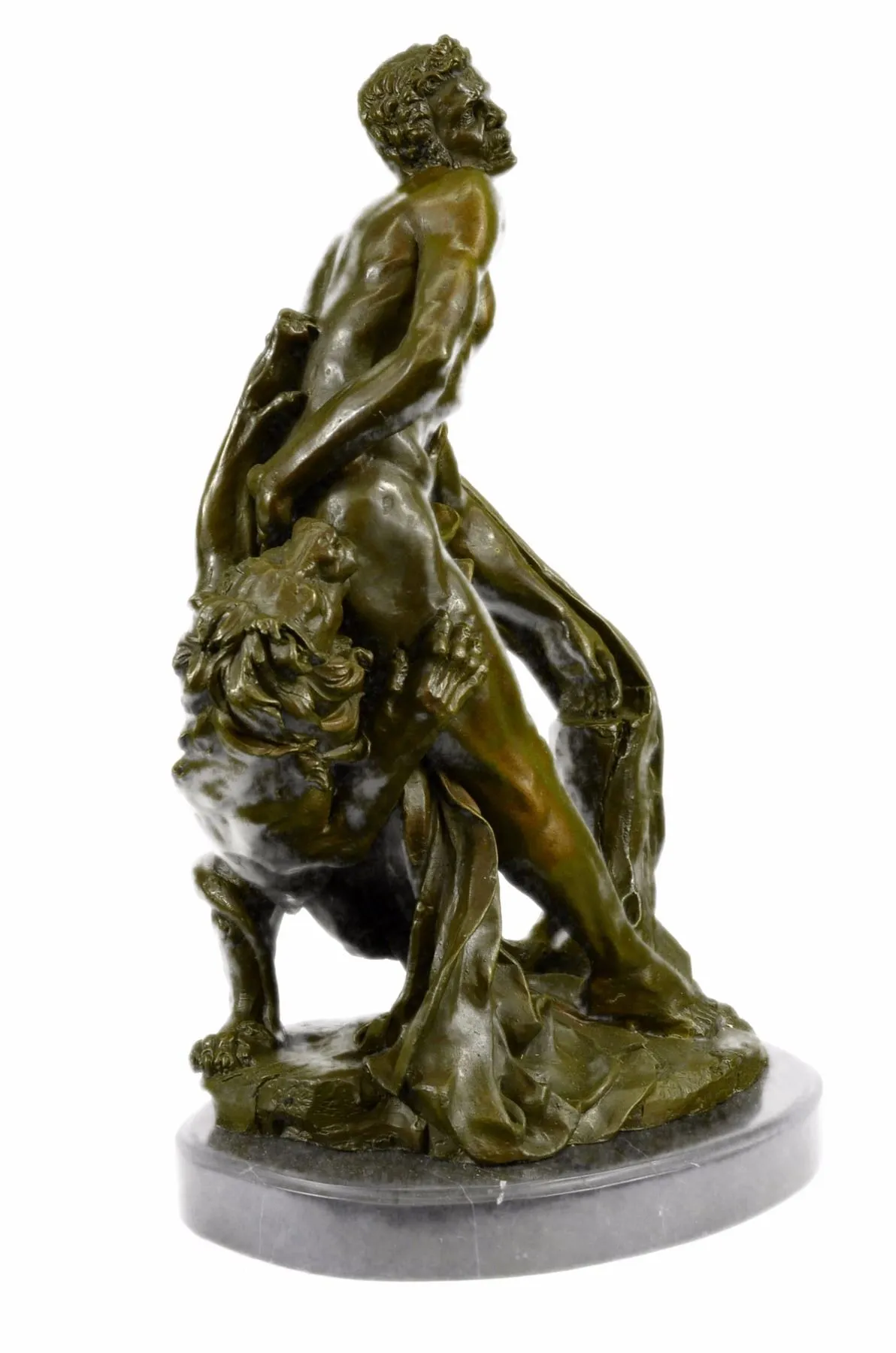 Photo: Milo of Croton, via dygtyjqp7pi0m.cloudfront.net
Consider the broader pattern the ancient record shows us: athletes who suffered serious injuries, returned from political exile, or competed while representing cities that were actively unpopular with the rest of Greece. When those athletes won, the reaction wasn't just applause. It was something closer to reverence.
Greek city-states frequently found themselves at war with one another, and political tensions absolutely spilled into the Olympic arena. An athlete competing under the banner of a rival or ostracized city carried enormous symbolic weight. His victory wasn't just personal — it was a statement. That dynamic maps almost perfectly onto the kind of geopolitical sports drama Americans have been eating up for generations, from Jesse Owens in Berlin to Kerri Strug landing on one leg in Atlanta.
Why Hardship Made Heroes
Ancient Greek culture had a specific word — arete — that roughly translates to excellence or virtue, but it carried a deeper meaning. True arete wasn't just about talent. It was about what you did with adversity. Athletes who overcame injury, poverty, or political persecution to claim an olive wreath weren't just winners. They were living proof of a philosophical ideal.
Pindar's victory odes — written to celebrate Olympic champions — are full of this language. He wasn't just praising speed or strength. He was praising the character that produced those qualities under pressure. The subtext was always: this person suffered, and they chose to keep going anyway.
Sound familiar? It should. It's the exact framework American sports media uses every single time a broadcaster tells you about an athlete's torn ACL, their difficult childhood, or the coach who cut them from the team at sixteen.
The American Remix
America didn't invent the underdog story. It inherited it, and then it industrialized it.
Muhammad Ali's return to boxing after being stripped of his heavyweight title for refusing military induction is one of the most mythologized comebacks in American sports history. The narrative arc — exile, return, redemption — is essentially identical to the stories ancient Greek poets were telling about athletes who competed under political clouds. The medium changed. The emotional structure didn't.
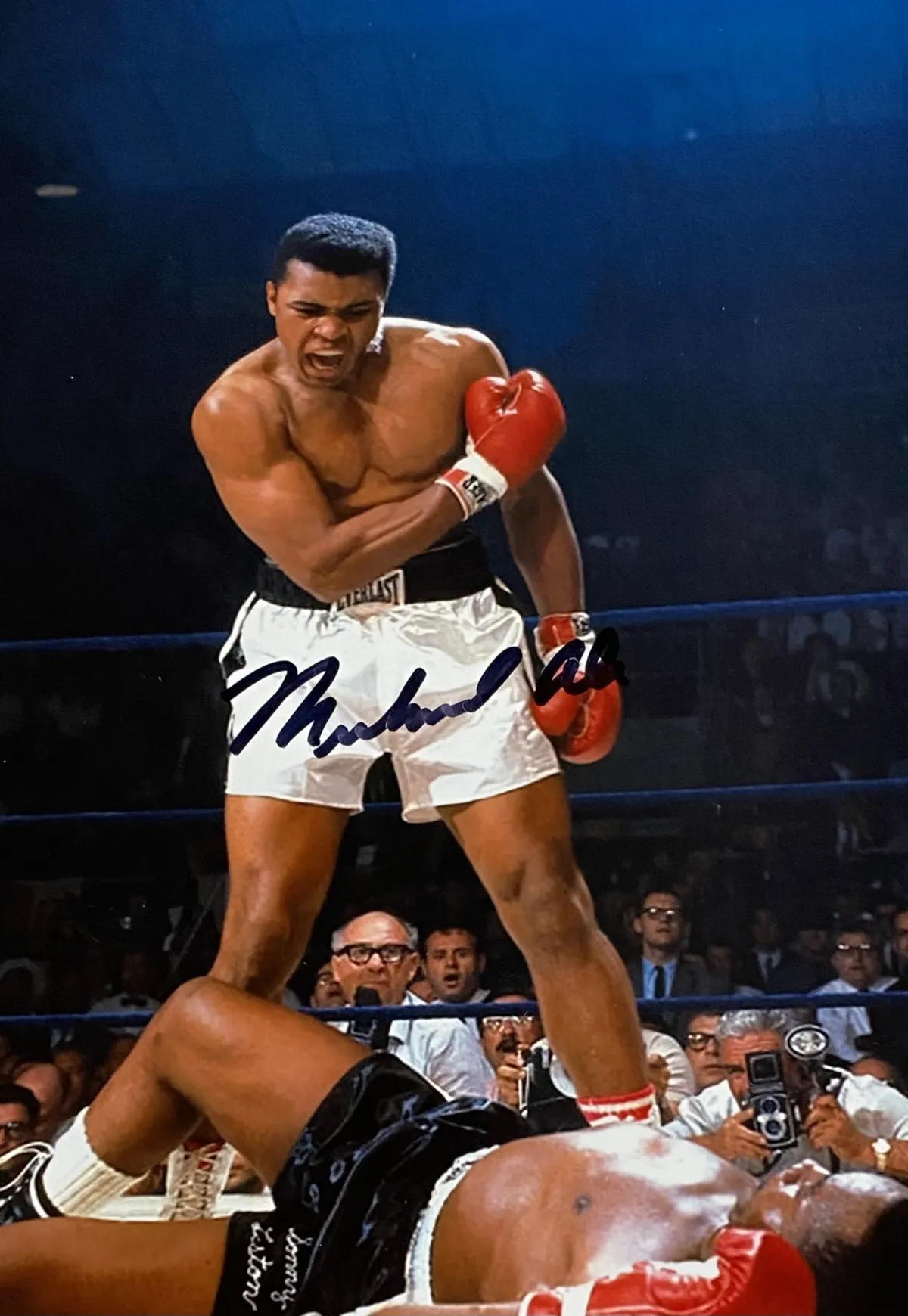 Photo: Muhammad Ali, via d2rbybg5ibx87t.cloudfront.net
Tiger Woods winning the 2019 Masters after years of physical breakdown and public humiliation generated television ratings that most sporting events can only dream about. Why? Because by that point, his victory wasn't just about golf. It was about the oldest athletic question there is: can this person find their way back?
The answer, when it's yes, produces something that straight-up dominance never quite manages. It produces catharsis.
The Ancient Crowd Knew It Too
Here's the part that tends to surprise people: ancient Greek spectators were not passive observers quietly contemplating athletic philosophy. Olympia during the Games was loud, crowded, and emotionally charged. Tens of thousands of people traveled days on foot to watch these contests. They argued. They cheered. They almost certainly had opinions about who deserved to win.
And the athletes they remembered longest weren't always the ones who won the most. They were the ones whose victories meant the most — whose stories carried enough weight that poets were commissioned to immortalize them in verse, and sculptors were hired to cast them in bronze.
That's not so different from how America decides which athletes become cultural icons versus which ones are just very good at their sport. LeBron James is an extraordinary basketball player. But part of what has made him a generational figure is the narrative — the kid from Akron, the impossible expectations, the departures and returns, the championship that finally came home.
Why the Story Never Gets Old
Sport, at its core, is a controlled environment for testing human capability under pressure. Records matter. Championships matter. But what keeps people emotionally connected to athletics across centuries and cultures is the human story underneath the result.
The ancient Greeks understood this with remarkable clarity. They built an entire literary tradition around it. And while the olive wreaths are long gone and the stadiums now hold hundreds of thousands instead of tens of thousands, the fundamental appeal hasn't shifted a single degree.
Somewhere right now, an athlete is rehabbing a knee that doctors said would never hold. Another one is training in a gym that barely has heat, chasing a spot on a national team that hasn't returned their calls. And when one of them eventually steps onto the biggest stage and wins — the crowd will lose its mind, the broadcasters will struggle to find words, and for a few minutes, sport will feel like it matters in a way that goes beyond games.
The ancient Greeks would have recognized that moment immediately. They invented it.