Roar Factor: How the Crowd Has Always Been the Invisible Competitor in Every Great Athletic Moment
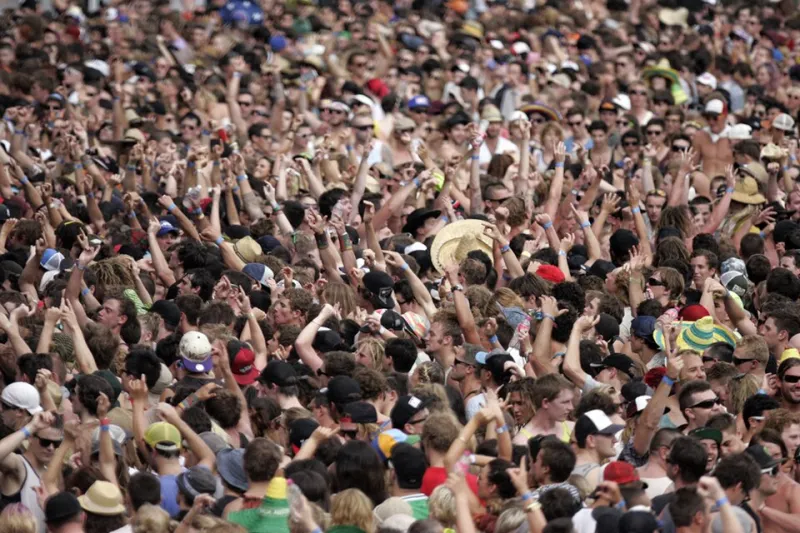
Photo: Eva Rinaldi, CC BY-SA 2.0, via Wikimedia Commons
There's a moment every serious sports fan knows. The stadium fills up. The noise builds into something physical, something you feel in your chest more than hear with your ears. The athlete on the field — or the track, or the court — seems to draw energy from it, moving faster, playing sharper, reaching deeper than they did in practice.
It feels like magic. It is, in a way. But it's also science, and it's also history. The relationship between crowd and competitor is one of the oldest dynamics in sport, and it's been shaping outcomes since long before anyone thought to study it.
Olympia's Original Roar
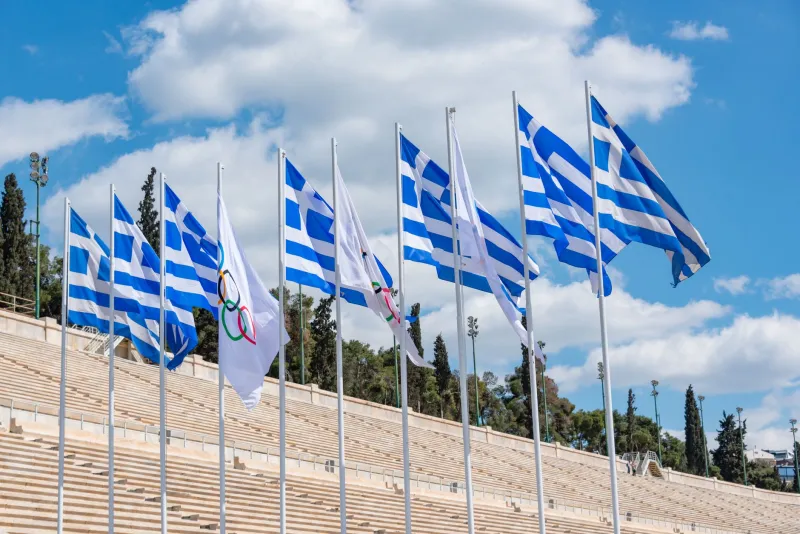
The ancient Olympic Games weren't a quiet, contemplative affair. Held every four years at Olympia in the Greek countryside, the Games drew tens of thousands of spectators — some estimates put attendance at the major events at 40,000 or more, which is comparable to a mid-sized modern NFL crowd. They camped in the open air, endured summer heat, and watched events from grass embankments and wooden stands around the sacred precinct.
And they were loud. Ancient sources describe crowds cheering for favorite athletes, shouting insults at competitors from rival city-states, and erupting when a hometown hero crossed the finish line. Pindar's victory odes, written to celebrate Olympic champions, frequently reference the noise of the crowd as part of the athlete's experience — the roar of approval that confirmed greatness in real time.
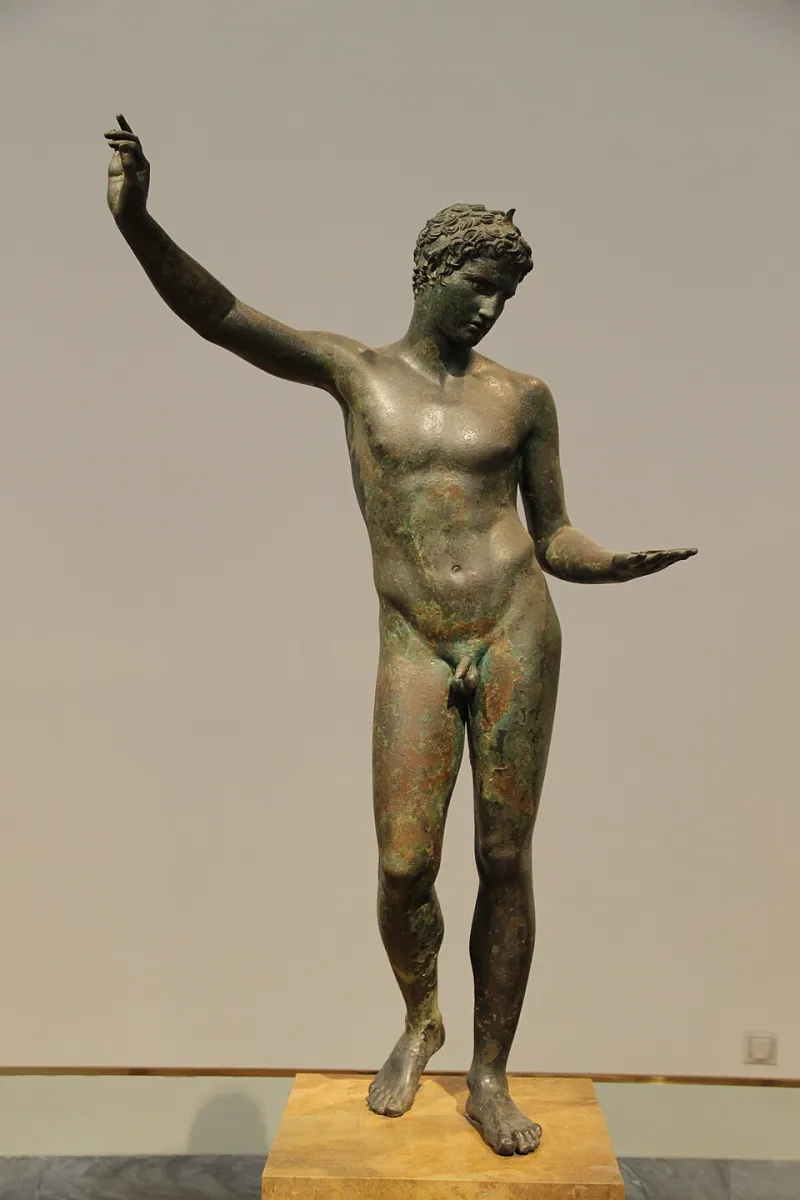
For Greek athletes, competing before a crowd wasn't just circumstantial. It was part of the event's meaning. Victory needed witnesses. The crowd wasn't background noise — it was the audience for a performance that connected the human and the divine. Running faster or throwing farther in front of thousands of people carried a weight that solo training never could.
The Colosseum Effect
Roman sports culture took crowd dynamics to a different level entirely. The Colosseum in Rome held an estimated 50,000 to 80,000 spectators, and the crowd's reaction wasn't just emotional — it was literally decisive. In gladiatorial combat, the crowd's thumbs-up or thumbs-down gesture could determine whether a fallen fighter lived or died.
That's an extreme version of crowd influence, but it illustrates something important: Roman sports entertainment was explicitly designed around audience participation. The crowd wasn't there to observe. It was there to judge, to react, to be part of the outcome. Gladiators who played to the crowd, who performed with flair and engaged the spectators, survived longer — not just because of skill, but because the audience liked them.
It's not so different from a modern NBA player milking a foul call by throwing their arms up theatrically for the crowd. The performance layer of competition has always existed alongside the athletic layer.
What the Science Actually Says
Modern sports psychology has spent decades trying to quantify what ancient Greeks understood intuitively. The research on home-field advantage is extensive and fairly consistent: across major American sports, home teams win more often than visiting teams. In the NFL, home teams have historically won roughly 57 percent of games. In college football, that advantage is even more pronounced.
Some of that is logistical — travel fatigue, unfamiliar environments, time zone changes. But a significant portion comes down to crowd noise and crowd energy. Studies have shown that crowd noise specifically elevates cortisol and adrenaline levels in athletes, sharpens reaction times in short bursts, and — crucially — affects referee and official decision-making. Home teams get more favorable calls, not because officials are corrupt, but because they're human beings responding to social pressure from a crowd that's reacting loudly to every decision.
The Seattle Seahawks' CenturyLink Field (now Lumen Field) became legendary in the early 2010s for crowd noise levels that regularly exceeded 130 decibels — louder than a jet engine. During the team's back-to-back Super Bowl runs in 2013 and 2014, visiting offenses were visibly disrupted by the noise, with false-start penalties and communication breakdowns directly attributable to the crowd. The Seahawks' fans even earned a nickname — the 12th Man — that acknowledged what everyone could see: the crowd was effectively a player.
 Photo: Lumen Field, via www.windowslatest.com
When the Crowd Becomes the Moment
Some of the most iconic moments in American sports history are inseparable from the crowd that witnessed them. The Miracle on Ice at the 1980 Lake Placid Olympics wasn't just a hockey game — it was a building full of Americans chanting "USA! USA!" in a way that seemed to will an upset into existence. Watch the footage and you can hear the crowd becoming part of the story in real time.
Or consider the 1998 home run chase between Mark McGwire and Sammy Sosa, which turned every Cardinals and Cubs home game into a collective breath-holding exercise. The crowd wasn't just reacting — it was creating an atmosphere that both players later said pushed them beyond what they thought they were capable of.
Michael Jordan, arguably the greatest player in NBA history, was famously energized rather than intimidated by hostile crowds. He described road games in loud arenas as a kind of fuel — the crowd's animosity sharpened his focus and raised his performance ceiling. That's the flip side of crowd psychology: for certain elite athletes, pressure from a crowd that wants you to fail can produce the same adrenaline spike as a crowd cheering you on.
The Empty Stadium Experiment
The COVID-19 pandemic gave sports scientists an unprecedented natural experiment: what happens when you remove the crowd entirely? The 2020 MLB season, the 2020 NBA bubble, and portions of the NFL season all played out in empty or near-empty venues, and the data was striking.
Home-field advantage largely evaporated. In the 2020 MLB season, home teams won at almost exactly the same rate as visiting teams — a historic anomaly. European soccer leagues showed similar results. Without crowd noise, referees made more neutral calls. Athletes reported feeling flat, mechanical, disconnected from the performance.
The crowd, it turned out, wasn't just atmosphere. It was infrastructure.
The Invisible Force
From the grass embankments of ancient Olympia to the sold-out noise of a Monday Night Football game, the relationship between spectator and athlete has never really changed at its core. People perform differently when they're being watched. They perform differently when the people watching them care about the outcome.
The ancient Greeks built their most important athletic competitions around public ritual and collective witness for a reason. They understood, without brain scans or statistical models, that sport is a social act — and that the crowd isn't separate from the competition. It's always been part of it.