Torch, Oath, and Parade: Why the Olympic Opening Ceremony Is Older Than You Think
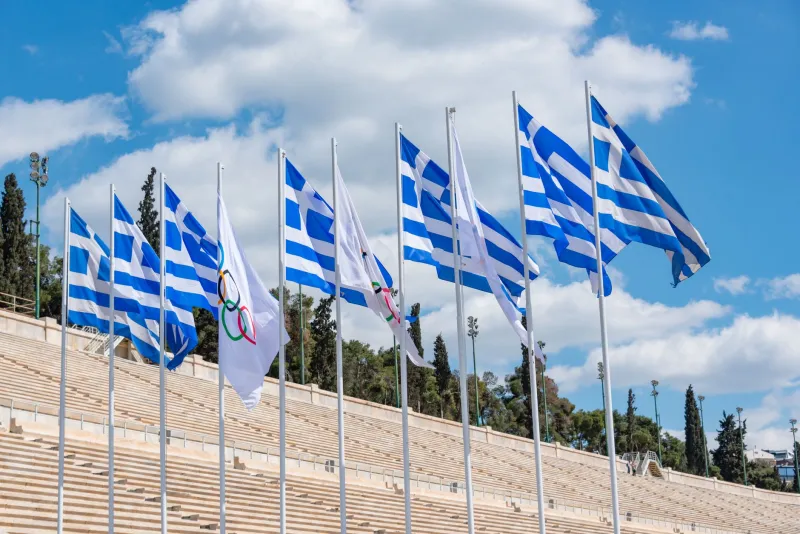
Let's be honest about something: a lot of Americans who don't follow track and field, weightlifting, or synchronized swimming will still plant themselves on the couch for the Olympic opening ceremony. Every time. Without fail.
There's something about it that pulls people in — the parade of nations, the lighting of the cauldron, the speeches, the spectacle of thousands of athletes representing every corner of the earth. It feels grand and ancient and important in a way that's hard to fully explain.
Here's the thing: that feeling isn't an accident. And it isn't modern.
The opening ceremony as we know it is, in almost every meaningful way, a direct descendant of the religious rituals that ancient Greeks performed at Olympia more than 2,700 years ago. The details have changed. The scale has exploded. But the underlying logic — the idea that a great athletic competition must be preceded by ceremony that separates it from ordinary life — was invented in a sacred valley in Greece long before anyone had conceived of a television broadcast deal.
What Actually Happened Before the Ancient Games Began
The ancient Olympics weren't just a sporting event. They were a religious festival in honor of Zeus, the king of the Greek gods, held every four years at Olympia in the western Peloponnese. And before any athlete ran a single step, the Games demanded an elaborate period of preparation and ceremony.
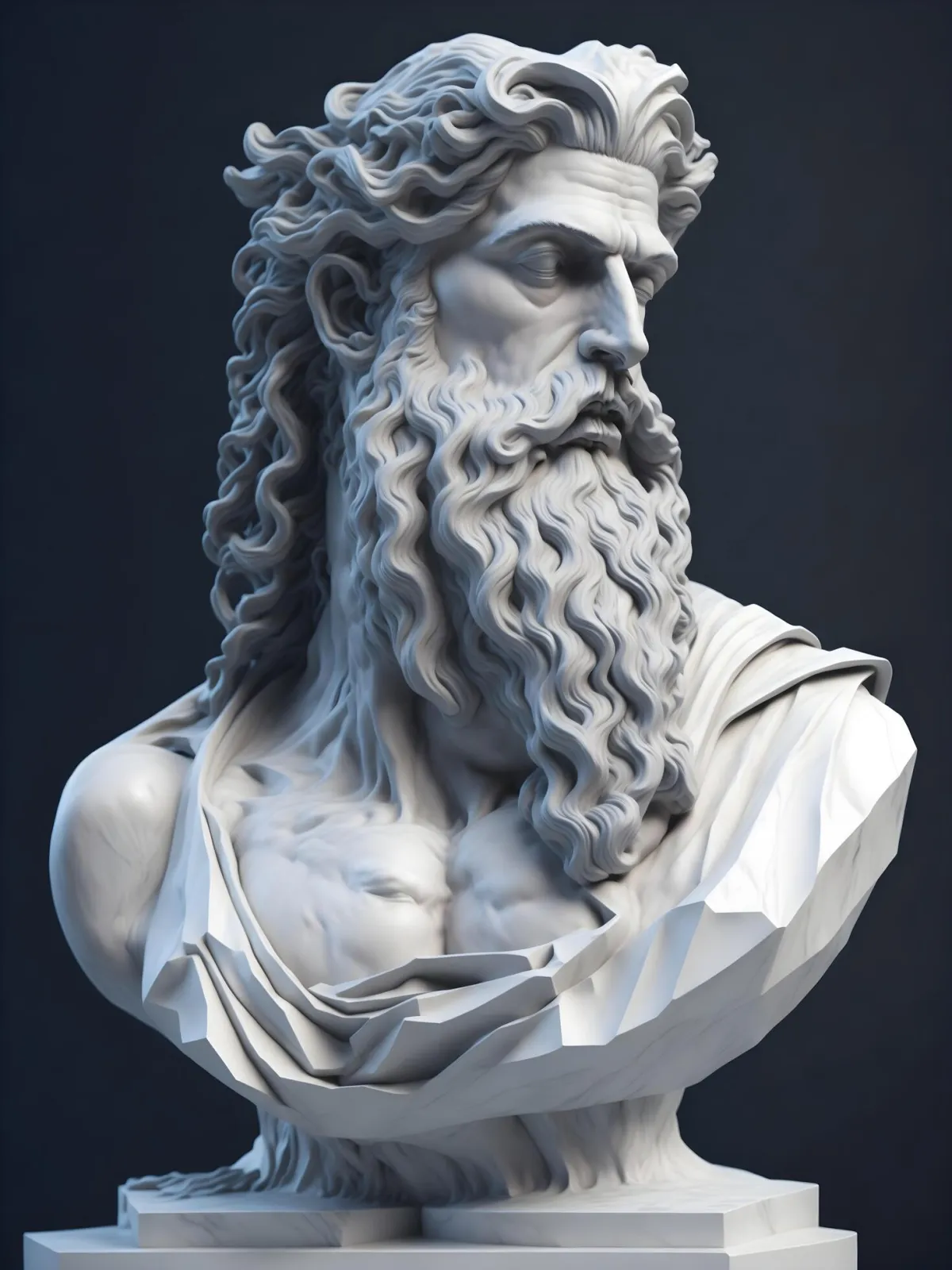 Photo: Zeus, via static.vecteezy.com
Athletes were required to arrive in Olympia at least thirty days before the competition began. During that time, they trained under the supervision of official judges called the Hellanodikai — men who verified eligibility, assessed readiness, and enforced the rules of the Games. This wasn't casual. Competitors had to prove they had been training for a full ten months prior to arrival. If you showed up unprepared, you were sent home.
On the day before competition opened, a formal procession moved through Olympia. Athletes, their trainers, and officials walked together from the town to the sacred precinct known as the Altis — a walled grove containing temples, altars, and the great statue of Zeus that was one of the Seven Wonders of the Ancient World. This procession wasn't ceremonial window dressing. It was a public declaration that the Games were beginning, and that everyone entering the sacred space was bound by its rules.
At the altar of Zeus, athletes swore an oath — hand on a sacrificed boar — that they had trained honestly, would compete fairly, and would respect the sanctity of the Games. Their fathers, brothers, and trainers swore similar oaths. Cheating wasn't just against the rules; it was a religious offense against Zeus himself.
Then came the sacrifices. Animals were offered at multiple altars throughout the precinct. The smoke rose. The priests performed their rituals. And only after all of this — the procession, the oaths, the sacrifices — did the competition begin.
The Torch Relay Is Newer Than You Think (But the Flame Isn't)
One of the most iconic images of the modern Olympics is the torch relay — that months-long journey that carries a flame from Olympia in Greece to wherever the Games are being held, culminating in the dramatic lighting of the Olympic cauldron during the opening ceremony.
Here's a surprise: the torch relay itself was introduced at the 1936 Berlin Games, making it less than a century old. It was actually conceived in part by Nazi propaganda officials, which is an uncomfortable historical footnote that tends to get glossed over in the breathless television coverage.
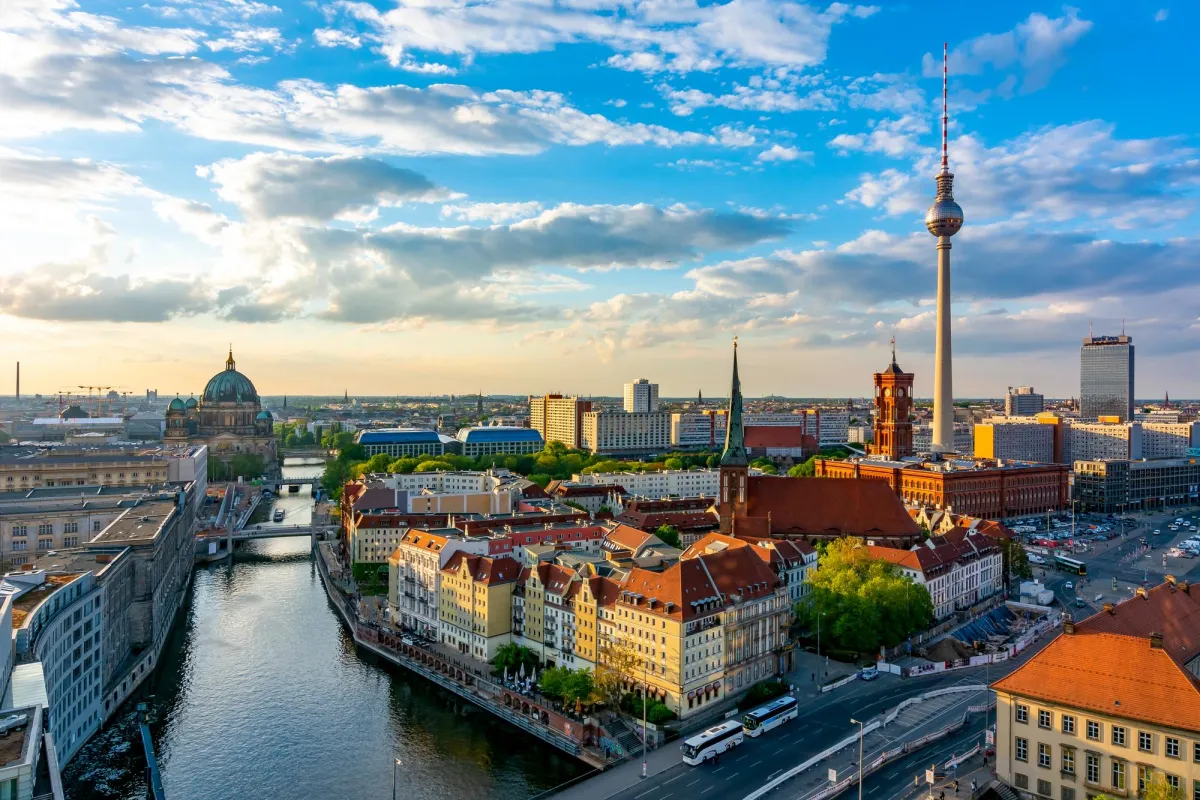 Photo: Berlin Games, via cdn.generationvoyage.fr
But the idea of a sacred Olympic flame? That's genuinely ancient.
At Olympia, a flame burned continuously at the altar of Hestia — goddess of the hearth — throughout the duration of the Games. Fire was sacred in Greek religion, a symbol of divine presence and the link between humans and gods. The flame wasn't a decoration. It was a statement about what kind of event this was: not just a competition, but a sacred occasion under divine protection.
The modern torch relay borrowed that symbolism and stretched it across a continent. The flame that travels from Greece to Paris or Los Angeles or Tokyo is, in its own way, still carrying the same message the ancient Greeks intended: these Games are set apart from ordinary life. They matter in a way that requires fire.
The Parade of Nations as a Modern Procession
When athletes march into the opening ceremony stadium — country by country, flag by flag — it's easy to see it as pure television spectacle, designed to fill broadcast time and give commentators something to talk about.
But watch it with ancient eyes and something different emerges.
The parade of nations is, structurally, almost identical to the ancient procession through the Altis. A gathering of competitors from different places — different city-states then, different countries now — moving together through a sacred space before the competition begins, publicly presenting themselves to the audience and to whatever powers they believe are watching.
The modern version first appeared in a recognizable form at the 1906 Athens Games and was formalized at the 1908 London Olympics. Greece always enters first, in honor of the ancient origin. The host nation enters last. Everyone else goes alphabetically in between. It's structured, ceremonial, and deliberate — just like the ancient procession was.
The Oath That Never Really Went Away
At the 1920 Antwerp Games, the Olympic movement introduced the athlete's oath — a formal pledge of fair play delivered by a representative of the host nation at the opening ceremony. A judge's oath was added later. In recent years, a coach's oath has been included as well.
The language has evolved over decades, but the structure is pure Olympia. A public promise, made before witnesses, in a sacred space, before competition begins. The ancient Greeks would recognize it immediately.
What they might find strange is that there's no boar involved. But you can't have everything.
Why the Spectacle Was Always the Point
There's a tendency to treat the opening ceremony as separate from the "real" Olympics — a flashy preamble before the actual athletic competition begins. But that framing misses something important.
For the ancient Greeks, the ceremony was part of the competition. The rituals weren't warm-up acts. They were the mechanism by which the Games were made meaningful — the process of transforming an athletic contest into something that transcended sport. Without the oaths, the procession, the sacrifices, and the sacred flame, the footraces at Olympia would have been just footraces. The ceremony is what made them the Olympics.
The modern opening ceremony operates on exactly the same principle. The billions of people who have watched it over the decades aren't just waiting for the sports to start. They're participating in a ritual that declares, once again, that what is about to happen matters — that this is different from an ordinary weekend of competition, that something larger is at stake.
Ancient Greece figured out that sports need ceremony the way a cathedral needs an altar. The modern Olympics, whether its organizers always knew it or not, have been proving that point every four years since 1896.