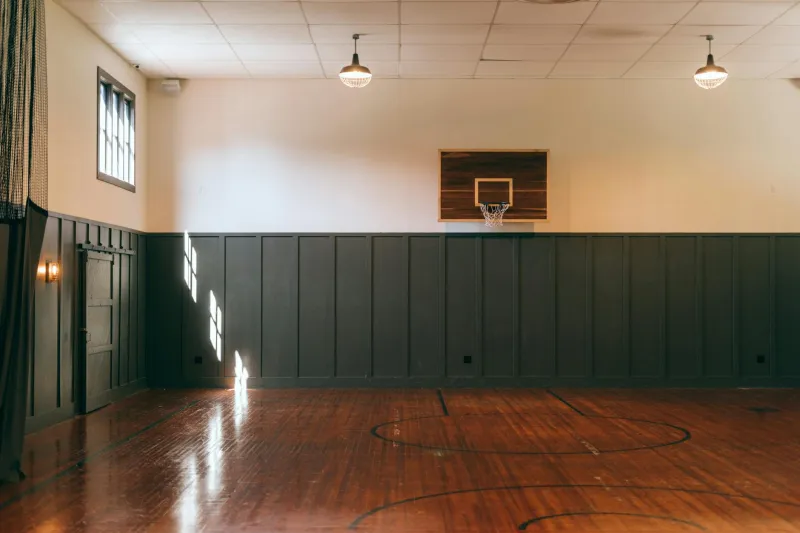
In December 1891, a Canadian-born instructor at a YMCA in Springfield, Massachusetts, nailed two peach baskets to an elevated track and asked his restless students to try throwing a soccer ball into them. Dr. James Naismith had no idea he'd just invented what would become one of the world's most popular sports — and eventually, an Olympic discipline that would captivate global audiences.
 Photo: Springfield, Massachusetts, via c8.alamy.com
This scene perfectly captures something uniquely American: the ability to turn informal recreation into organized competition, then export that competition to the world. While the ancient Olympics gave us track and field, and Europe contributed soccer and tennis, America's gift to the Olympic Games has been something different — sports born not in royal courts or ancient stadiums, but in gymnasiums, sandlots, and community centers.
The YMCA Laboratory
The Young Men's Christian Association played an outsized role in creating America's Olympic sports legacy. In addition to basketball, volleyball was invented at a YMCA in Holyoke, Massachusetts, just four years after Naismith's breakthrough. William Morgan wanted to create an indoor game that combined elements of basketball, baseball, tennis, and handball — something less strenuous than basketball but more engaging than calisthenics.
 Photo: Holyoke, Massachusetts, via cdn-assets.alltrails.com
Morgan called his creation "Mintonette," but the name didn't stick. When someone observed that players were volleying the ball back and forth, "volleyball" became the obvious choice. Like basketball, it spread through the YMCA network across America and eventually around the world.
These weren't sports designed by committees or evolved from ancient traditions. They were practical solutions to immediate problems — how to keep young men active during harsh New England winters, how to create engaging exercise that didn't require extensive equipment or facilities.
Baseball's Complicated Journey
Baseball's path to Olympic recognition was more complex, partly because its origins are more disputed. While the Doubleday myth has been thoroughly debunked, baseball clearly evolved from various bat-and-ball games in 19th-century America. What made it distinctly American was how it developed during and after the Civil War.
Soldiers from different regions brought their local variations of the game to army camps, where rules were standardized through necessity. When those soldiers returned home, they carried a unified version of baseball that quickly spread across the growing nation.
By the early 1900s, baseball was so identified with American culture that including it in the Olympics seemed natural. It appeared as a demonstration sport in several early Olympic Games, but didn't become an official Olympic sport until 1992 in Barcelona.
The irony? By the time baseball achieved full Olympic status, it was no longer America's dominant sport. Basketball and football had captured the national imagination, while baseball's Olympic inclusion felt more like honoring history than celebrating contemporary relevance.
Basketball's Global Conquest
Basketball's Olympic journey tells a different story — one of American innovation becoming global obsession. The sport made its Olympic debut in 1936 in Berlin, where the United States naturally dominated. But what's remarkable is how quickly other nations embraced and excelled at this fundamentally American game.
The 1972 Munich Olympics delivered one of the most controversial moments in Olympic history when the Soviet Union defeated the United States in basketball's gold medal game. The disputed finish — involving confusion over timeouts and clock management — became a Cold War flashpoint. But it also proved that basketball had truly become an international sport.
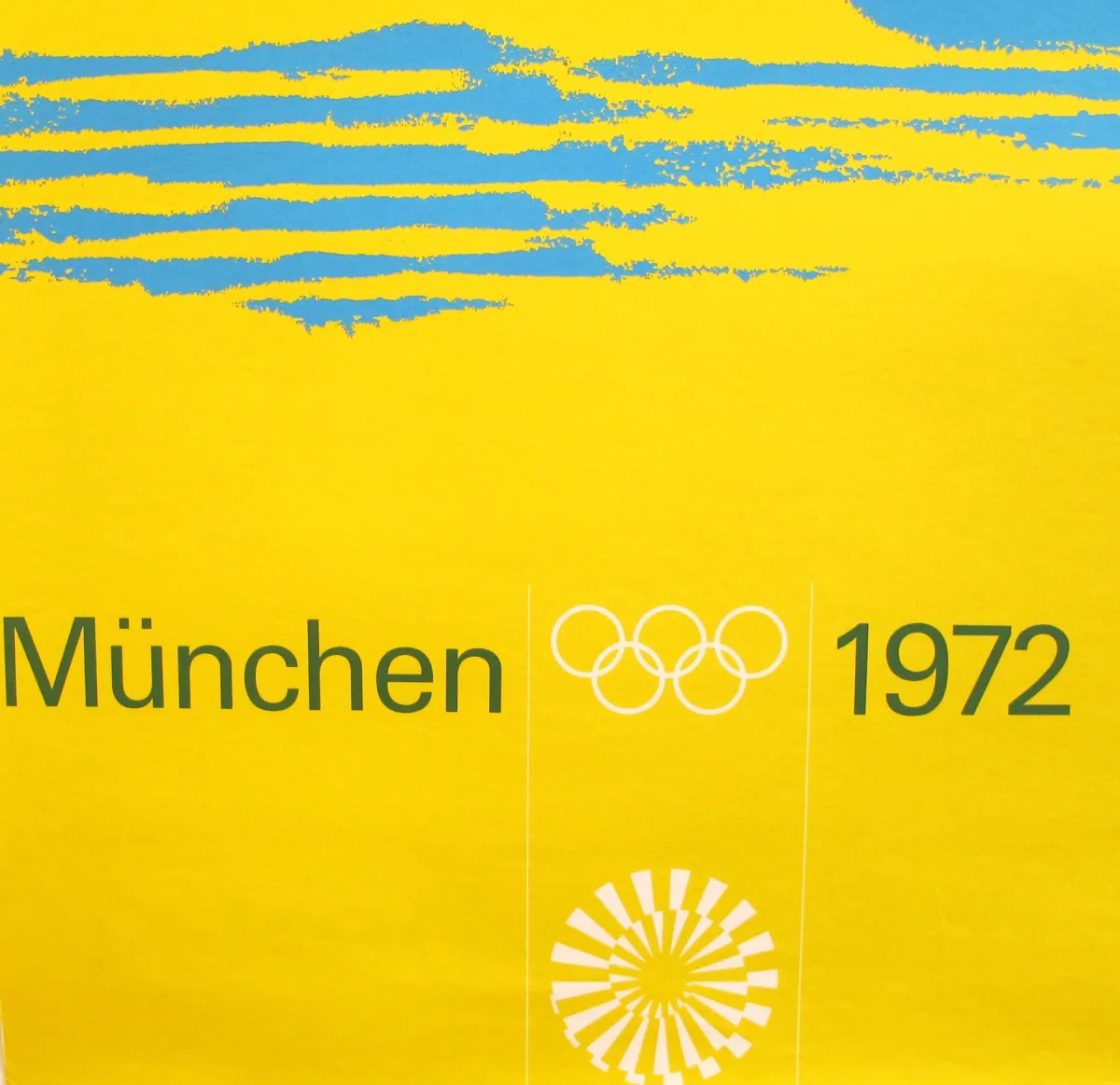 Photo: 1972 Munich Olympics, via cdn.shopify.com
The 1992 Barcelona Olympics marked basketball's coming-of-age as a global spectacle. The U.S. "Dream Team," featuring Michael Jordan, Magic Johnson, and Larry Bird, didn't just win gold — they put on a basketball clinic that inspired a generation of international players.
Today, the NBA is a global league with stars from every continent. Players like Dirk Nowitzki, Yao Ming, and Giannis Antetokounmpo prove that Naismith's peach basket game has transcended its Massachusetts origins to become a universal language.
The Politics of Inclusion
Adding sports to the Olympic program isn't just about athletic merit — it's about politics, geography, and cultural influence. The inclusion of American-born sports required delicate negotiations and often faced resistance from Olympic traditionalists.
Volleyball's Olympic inclusion in 1964 came partly because Japan, hosting the Tokyo Olympics, was eager to showcase sports popular in Asia. Beach volleyball's addition in 1996 reflected the IOC's desire to attract younger audiences and embrace sports with television-friendly formats.
Baseball and softball faced unique challenges. Despite their American origins, both sports had developed strong international followings, particularly in Asia and Latin America. Yet they were removed from the Olympics after 2008, victims of the IOC's desire to control the size of the Games and add sports with broader global appeal.
Softball's Parallel Path
Softball represents another uniquely American contribution to Olympic sport, though its story is often overshadowed by its hardball cousin. Invented in 1887 in Chicago as an indoor version of baseball, softball became particularly popular among women athletes in an era when few sports offered them competitive opportunities.
The sport's Olympic debut in 1996 showcased something remarkable — a competition where American dominance wasn't guaranteed. While the U.S. won the first three Olympic softball tournaments, Japan's victory in 2008 proved that American-invented sports could find their ultimate expression in other cultures.
The Cultural Export
What's fascinating about America's Olympic sports contributions isn't just their popularity — it's how they've been adapted and improved by other cultures. Basketball in Europe emphasizes team play and fundamental skills in ways that sometimes surpass American approaches. Volleyball in Brazil and Italy has reached artistic levels that honor but transcend the sport's YMCA origins.
These sports succeeded internationally because they embodied certain American values — accessibility, innovation, and the democratic idea that anyone could participate regardless of social background. You didn't need expensive equipment or exclusive facilities to play basketball. A volleyball net could be set up almost anywhere.
Modern Challenges and Opportunities
Today, American sports face new challenges in the Olympic arena. Traditional American pastimes like baseball and softball have been dropped, while sports popular in other regions have been added. The IOC's emphasis on global participation and youth appeal doesn't always favor sports with strong American identities.
Yet American innovation continues. Sports like skateboarding and surfing, which have strong American cultural connections, have recently joined the Olympic program. These additions suggest that America's real Olympic contribution isn't any specific sport, but rather the ongoing process of turning recreational activities into competitive disciplines.
The Lasting Legacy
When Dr. Naismith nailed those peach baskets to the gymnasium wall, he wasn't trying to create an Olympic sport or export American culture. He was solving a practical problem with creative thinking — perhaps the most American approach of all.
That same spirit of innovation and adaptation continues to influence Olympic sport today. Whether it's new scoring systems, rule modifications, or entirely new disciplines, the Olympic Games continue to evolve in ways that reflect their American-influenced emphasis on accessibility and excitement.
The sports that began in American gymnasiums and sandlots have become global phenomena not because they were imposed by American power, but because they offered something universal — the joy of competition, the satisfaction of skill development, and the democratic promise that excellence could emerge from anywhere.
In the end, America's greatest Olympic export wasn't any single sport, but rather the idea that sports could be invented, improved, and shared with the world. From those peach baskets in Massachusetts to basketball courts in Manila, from YMCA volleyball to Olympic beaches in Rio, American playground games have become the world's games — proving that the best ideas often start with the simplest solutions to everyday problems.