The Games Nobody Cared About
When Baron Pierre de Coubertin revived the Olympic Games in Athens in 1896, American newspapers barely noticed. The New York Times gave the event a few paragraphs buried on page six. Most Americans had never heard of the Olympics, ancient or modern, and the idea of traveling halfway around the world to watch amateur athletes compete seemed absurd to a nation focused on baseball, boxing, and horse racing.
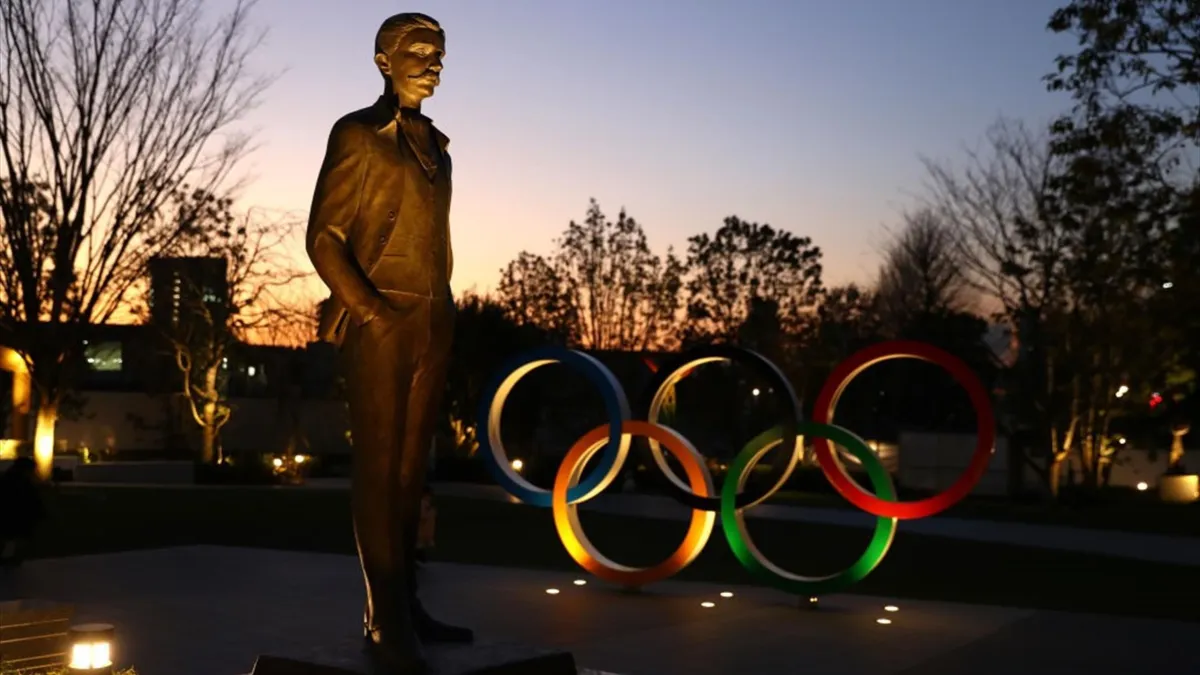 Photo: Baron Pierre de Coubertin, via wallpapercave.com
Fast forward to today: NBC pays over $1 billion for Olympic broadcast rights, American families plan their summer schedules around Olympic coverage, and social media explodes with debates over Team USA performances. The transformation of the Olympics from obscure curiosity to cultural phenomenon represents one of the most dramatic shifts in American sports consumption—and it all happened because of how the story was told.
Newspapers Plant the Seed
The first crack in American Olympic indifference came through newspaper coverage of American athletes competing abroad. When James Connolly of Harvard became the first modern Olympic champion in 1896, winning the triple jump in Athens, a few sports writers recognized the story's potential. Here was a Harvard student—a relatable American—beating Europeans at their own game.
By 1904, when St. Louis hosted the Olympics alongside the World's Fair, American newspapers began treating Olympic competition as a matter of national pride. The coverage was often jingoistic and factually questionable, but it established a crucial precedent: Olympic success could be packaged as American superiority.
The real breakthrough came in 1912 at the Stockholm Olympics, when American athletes dominated the track and field events. Newspapers from coast to coast ran detailed accounts of American victories, complete with dramatic narratives about young men conquering European aristocrats through democratic athleticism. The Olympics weren't just competitions anymore—they were stories about American values triumphing on the world stage.
Radio Changes Everything
The 1932 Los Angeles Olympics marked the first time Americans could experience Olympic competition in real time. Radio broadcasts brought the sounds of the Coliseum directly into American living rooms, creating a shared national experience that newspapers couldn't match.
Suddenly, Olympic athletes had voices. Listeners could hear the crack of the starter's pistol, the roar of the crowd, and the breathless excitement of announcers describing photo finishes. The medium transformed distant competitions into intimate experiences. American families gathered around radio sets, cheering for athletes they'd never seen but felt they knew personally.
The 1936 Berlin Olympics cemented radio's impact on American Olympic consciousness. Jesse Owens' four gold medals became a real-time rebuke to Nazi ideology, broadcast live to millions of Americans. The political stakes elevated the athletic achievements, creating the template for Olympic coverage that persists today: sports as geopolitical drama, with American athletes as protagonists in global narratives.
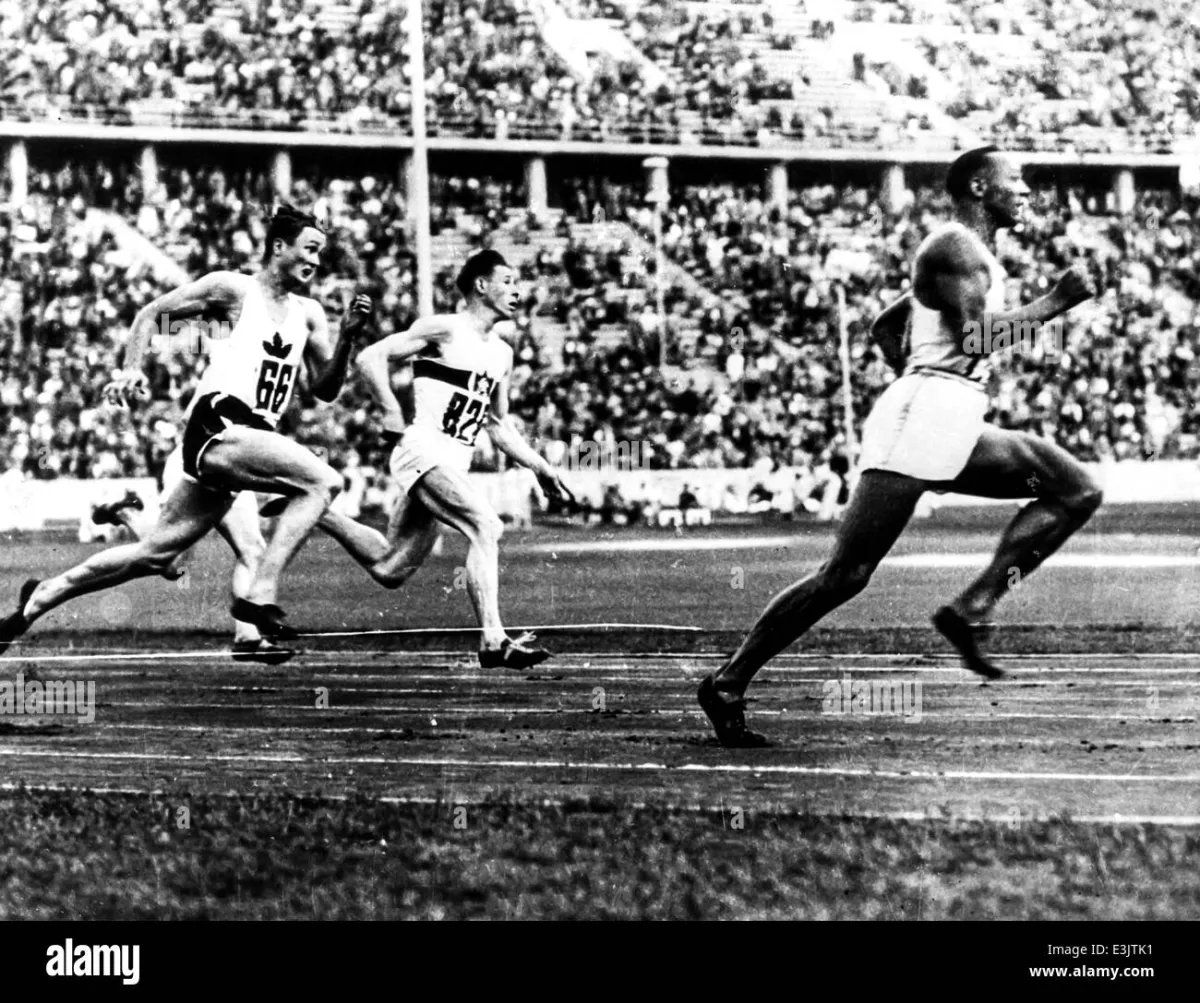 Photo: Jesse Owens, via c8.alamy.com
Television Creates Olympic Obsession
Television transformed American Olympic consumption from seasonal interest to cultural obsession. The 1960 Rome Olympics were the first to be extensively televised in the United States, and the impact was immediate. Americans could see Olympic competition, not just hear about it or read descriptions.
The visual medium revealed the Olympics' theatrical potential. The opening ceremonies, medal presentations, and athletic performances provided ready-made television drama. American networks quickly learned that Olympic coverage could attract viewers who normally ignored sports, particularly women who became invested in the personal stories behind the athletic achievements.
By the 1970s, ABC's Wide World of Sports had made "the thrill of victory and the agony of defeat" a national catchphrase, with Olympic moments providing some of the most memorable examples. The Olympics became appointment television, events that brought families together around shared viewing experiences.
The Munich Turning Point
The 1972 Munich Olympics proved that Americans would watch Olympic coverage even when the news was tragic. The terrorist attack that killed 11 Israeli athletes transformed the Olympics from sports entertainment into breaking news, with American television networks providing round-the-clock coverage.
The tragedy demonstrated the Olympics' power to capture American attention during moments of international crisis. Television audiences learned that Olympic competition could carry weight far beyond athletic achievement. The Games became a lens through which Americans viewed global politics, cultural tensions, and national identity.
This shift established the Olympics as more than sports programming—they became cultural events that reflected American values and anxieties. The boycott of the 1980 Moscow Olympics felt personally meaningful to American viewers who had grown emotionally invested in Olympic competition.
The Miracle on Ice and Peak Olympic Fever
The 1980 Winter Olympics in Lake Placid created the template for modern American Olympic obsession. The US hockey team's victory over the Soviet Union wasn't just an athletic upset—it was a Cold War triumph broadcast live to a nation hungry for good news during a difficult period.
 Photo: Lake Placid, via image.tmdb.org
"Do you believe in miracles? YES!" became more than a sports call—it was a cultural moment that demonstrated the Olympics' power to unite Americans around shared emotional experiences. The victory validated decades of media investment in Olympic storytelling, proving that American audiences would embrace Olympic narratives that reinforced national pride.
The success of the Lake Placid Games convinced television networks that Olympic coverage could deliver massive audiences and premium advertising rates. The commercial potential transformed how the Olympics were packaged for American consumption, with networks investing heavily in production values, athlete profiles, and narrative storytelling.
The Los Angeles Gold Rush
The 1984 Los Angeles Olympics represented the full commercialization of American Olympic fever. With the Soviet Union boycotting in retaliation for 1980, American athletes dominated the medal count, creating a summer-long celebration of American athletic superiority.
Television coverage reached new levels of sophistication, with multiple cameras, instant replay, and detailed athlete profiles. The Olympics became a television spectacle designed specifically for American audiences, complete with patriotic music, slow-motion montages, and emotional backstories.
The financial success of the LA Games proved that Olympic coverage could be both culturally significant and commercially lucrative. Television rights fees skyrocketed, establishing the economic model that continues today.
The Modern Olympic Media Machine
Today's Olympic coverage represents the culmination of nearly a century of media evolution. NBC's coverage includes multiple television networks, streaming platforms, and social media integration. American viewers can watch any event live, replay key moments instantly, and follow athletes' personal journeys through carefully crafted digital content.
The transformation from 1896's newspaper paragraphs to today's multimedia Olympic universe reflects broader changes in American media consumption, but the core appeal remains consistent: the Olympics provide compelling stories about American values competing on the world stage.
What began as foreign curiosity has become American cultural tradition, with Olympic coverage serving as a shared national experience that bridges generational and cultural divides. The Games that once seemed irrelevant to American audiences now represent one of television's most valuable properties, proving that the right story, told through the right medium, can transform even the most distant competition into appointment viewing for millions of American families.